Why German Premium Wood Windows & Doors Belong in the US Market
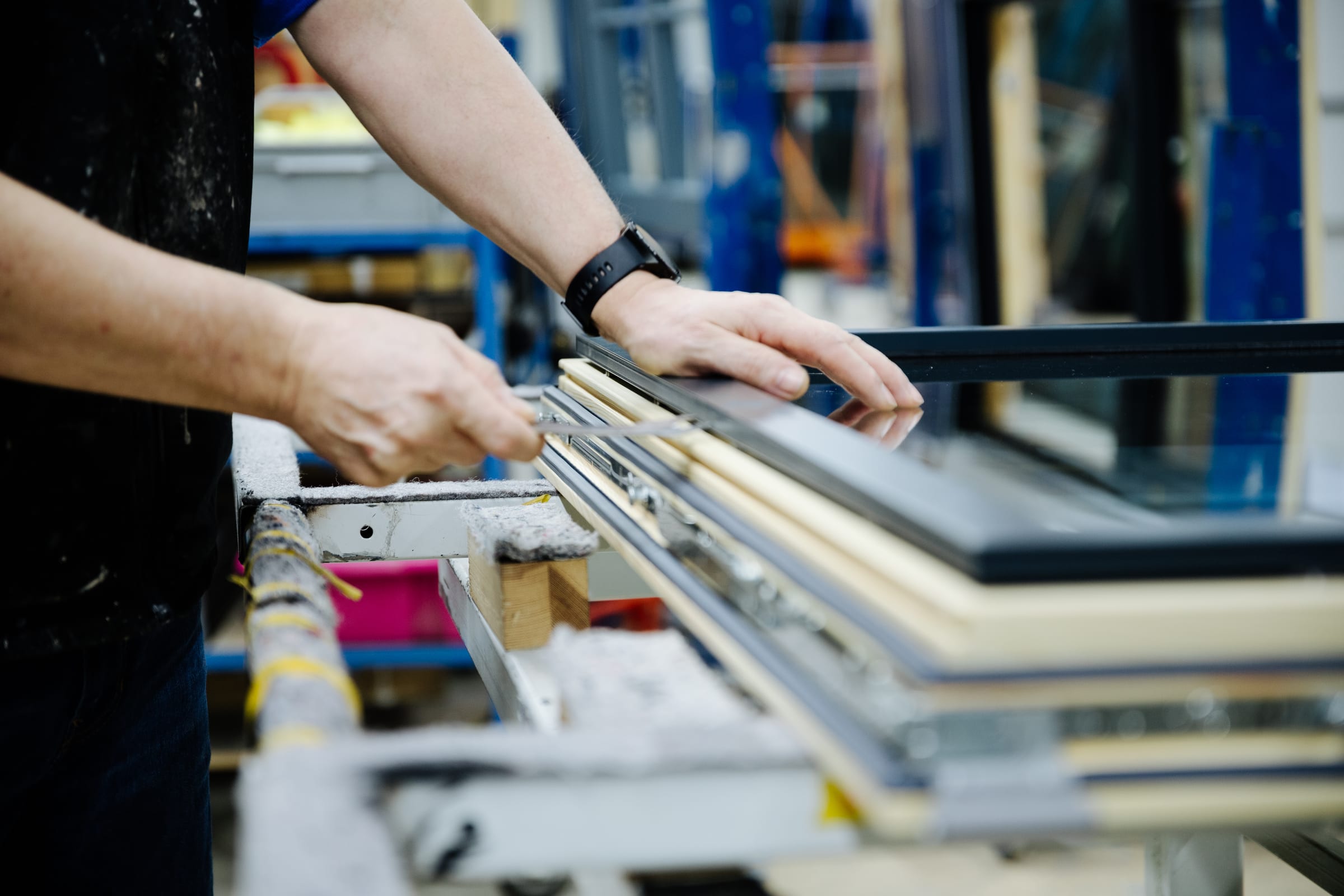
Ask an architect who has worked on both sides of the Atlantic what they miss most on US projects, and windows come up surprisingly often. Not because American manufacturers lack good products, but because the two markets evolved around different assumptions about what a window is.
Two window cultures
The US market is built around standardized product lines: pick a series, pick from the size chart, pick from the options list. That model delivers speed and predictable pricing, and for many projects it works well. German window manufacturing developed differently. Windows are made to order: each one built to the opening, the profile, and the finish the project calls for. Custom sizing isn’t a premium surcharge; it’s simply how production works.
That difference matters most on exactly the projects where US buyers struggle: architect-designed custom homes with unusual openings, historic renovations where the new window has to match what a carpenter built a century ago, and high-performance projects where the envelope is engineered, not assembled from catalog parts.
What “German engineering” actually means here
Beyond the manufacturing model, a few concrete things distinguish German wood windows:
- Tilt-turn operation. The dominant European window type opens inward like a door and tilts from the top for secure ventilation. One set of hardware, two functions, and easy cleaning from inside, even on upper floors.
- Multipoint locking. Instead of a single latch, the sash locks into the frame at several points around its perimeter, pulling it tight against continuous gaskets.
- Glazing depth. European frames are built for thick, high-performance insulated glass units, with warm-edge spacers and Low-E coatings configured per project and climate.
- Wood as an engineering material. Laminated, precision-milled wood profiles, optionally with exterior aluminum cladding, combine structural stability with the interior warmth that vinyl and aluminum lines can’t match.
The honest caveats
European windows are not a drop-in for every US project. Terminology differs: a German manufacturer needs to speak in U-factor, SHGC, rough openings, and egress requirements, not just European test values. Documentation for plan review, delivery logistics, and installation support need a US-facing answer, not a translated brochure. That is precisely the gap Sorpetaler USA exists to close: German manufacturing with US project support, US terminology, and a clear path for performance documentation.
Where they fit best
If your project is a standard build with catalog openings, a domestic line may serve you well. But if you’re designing a home where the windows are part of the architecture (custom sizes, historic profiles, large glass, demanding performance targets), German wood and wood-aluminum windows deserve a place on your shortlist.